
As part of the #KeepKurdistanGreen campaign, Wadi supports the construction of model houses that demonstrate how energy can be saved and the environment can be protected.
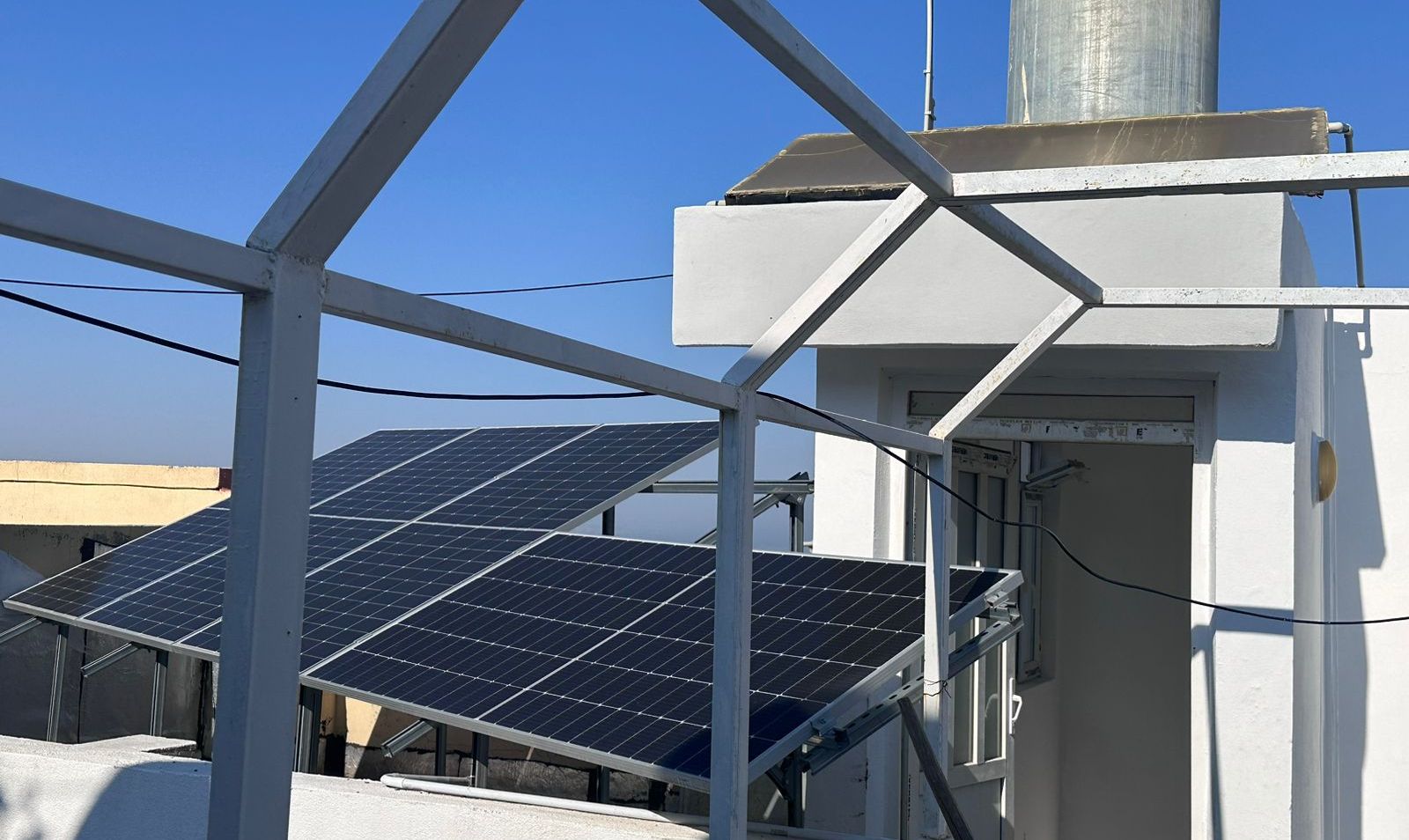
Anyone who has spent some time in the Middle East quickly realizes that essential resources such as electricity and water are often rationed. Depending on the season and weather conditions, they are not always available around the clock. Two key factors contribute to this problem: firstly, there is a lack of comprehensive awareness about the sustainable use of these essential resources, and secondly, affordable technical solutions remain inaccessible to the general public. A typical example can be seen in the streets of Kurdish cities, where hundreds of liters of water frequently overflow from tanks due to the absence of simple mechanisms like float valves, which could automatically shut off the pumps when the tanks are full. Similar challenges exist in the energy sector. During the hot summer months, electricity demand for air conditioning exceeds available capacity, while in winter, heating requirements rise, particularly in poorly insulated homes.
As part of a project funded by the German Federal Ministry for Economic Cooperation and Development (BMZ) and implemented in collaboration with our local partners Adwi in Kifri and NWE in Halabja, two typical residential houses have been acquired. These houses serve as demonstration models to practically illustrate how water and energy consumption can be efficiently reduced. Additionally, they highlight the benefits of solar energy to minimize dependence on the unreliable public electricity grid and expensive diesel generators. The plan is to use the model houses regularly for workshops and guided visits, offering local residents practical and easily implementable solutions. At the same time, they will act as a link between local craftsmen, technicians, and interested citizens who want to learn more about the showcased innovations.


(Pictures: The Model House in Halabja)
Over the past year, significant progress has already been made at the model house in Halabja, with numerous measures successfully implemented to promote more sustainable water and energy use. These include the construction of a solar thermal module using locally sourced components, a greywater recycling system to reuse shower and sink water for garden irrigation and toilet flushing, as well as green roofing and exterior wall insulation to improve energy efficiency. A small solar power system with battery storage ensures a stable energy supply independent of the public grid. Additionally, minor improvements such as float switches for automatic water pump shutoff and better sealing of doors and windows have been made. The next step is to establish the model house in Halabja as a knowledge transfer platform. Regular seminars and workshops will be launched soon to provide the local population with practical ways to adopt sustainable practices.
Model House in Kifri
The model house in Kifri, developed in cooperation with Adwi as the second project site, has recently been added. This location was chosen due to its specific climatic challenges, which require technological adaptations. Renovations have already begun, and we plan to implement similar measures as in Halabja, including an expanded solar power system with improved battery storage and a rainwater collection system to address water scarcity. Like in Halabja, the model house in Kifri is intended to serve as a meeting and training center in the future. Seminars and workshops will be organized to raise awareness of sustainable technologies and support local residents in implementing their own projects. With this new model house, we aim to further expand our engagement in the Germyan region and help spread sustainable solutions on a broader scale.
This project aligns perfectly with our existing environmental initiatives, all of which focus on developing sustainable and innovative solutions to contemporary challenges. Moreover, a project like this strengthens civil society by empowering local communities to actively contribute to a more sustainable future. Through the training sessions offered and close collaboration with craftsmen and technicians, knowledge and skills are shared that extend far beyond the immediate participants. The model houses create spaces for exchange and collaboration, fostering a stronger sense of responsibility within communities. With initiatives like these, we strive to make a meaningful contribution to promoting self-reliance, innovation, and sustainable development across the region.
Author: Dominik Metzger
Please support our various environment projects with your donation
This project is supported by:
 Wadi
Wadi 
