In cooperation with our partners from ADWI we opened a special place in one of the hottest regions in Iraqi-Kurdistan: Mali AWA (Prosperous House), which includes education about environemnt and a recycling center.
By Shokh Mohammad, 08.09.2026
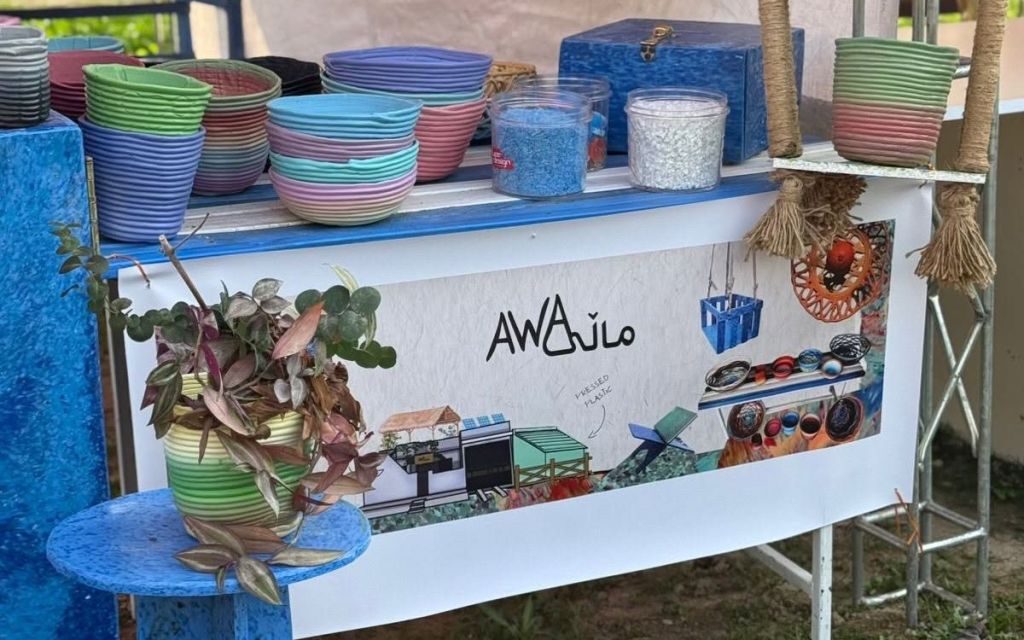
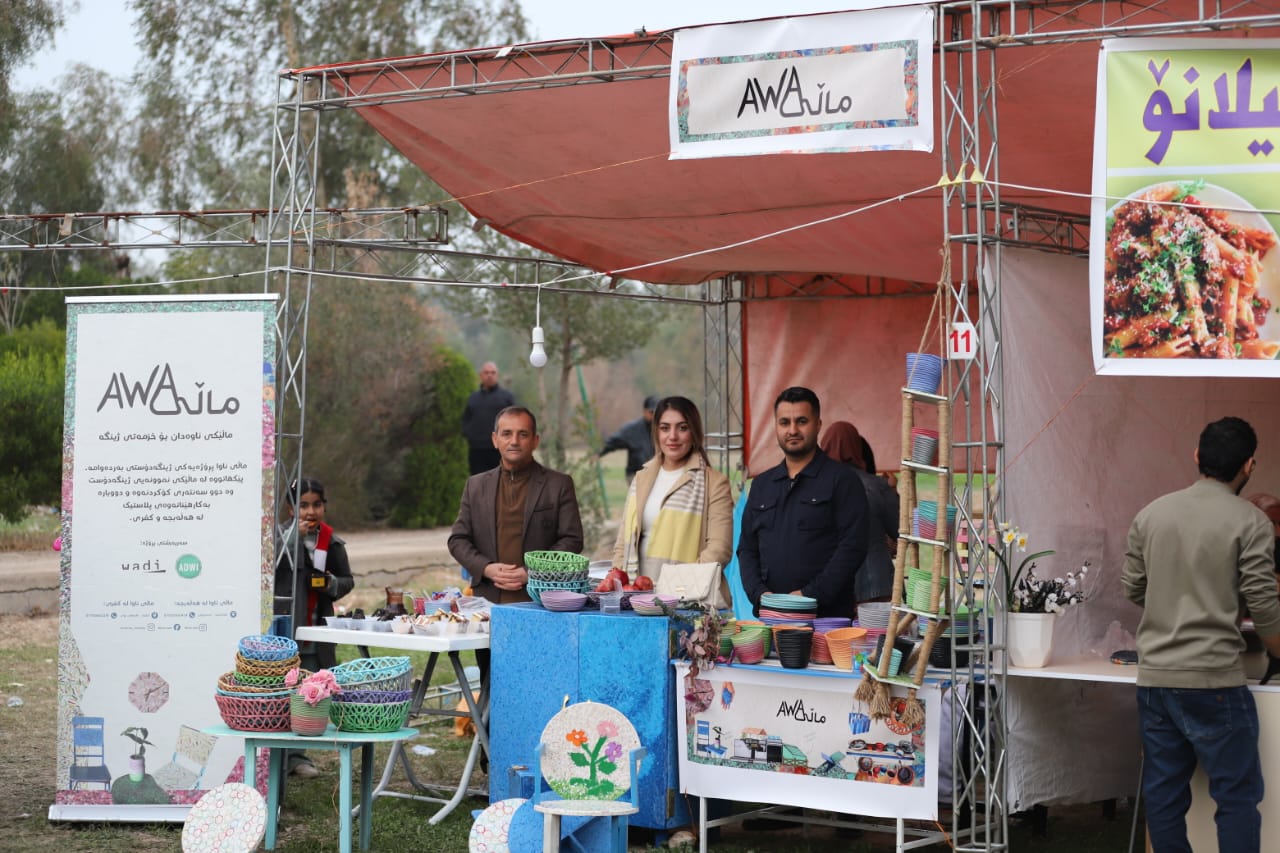
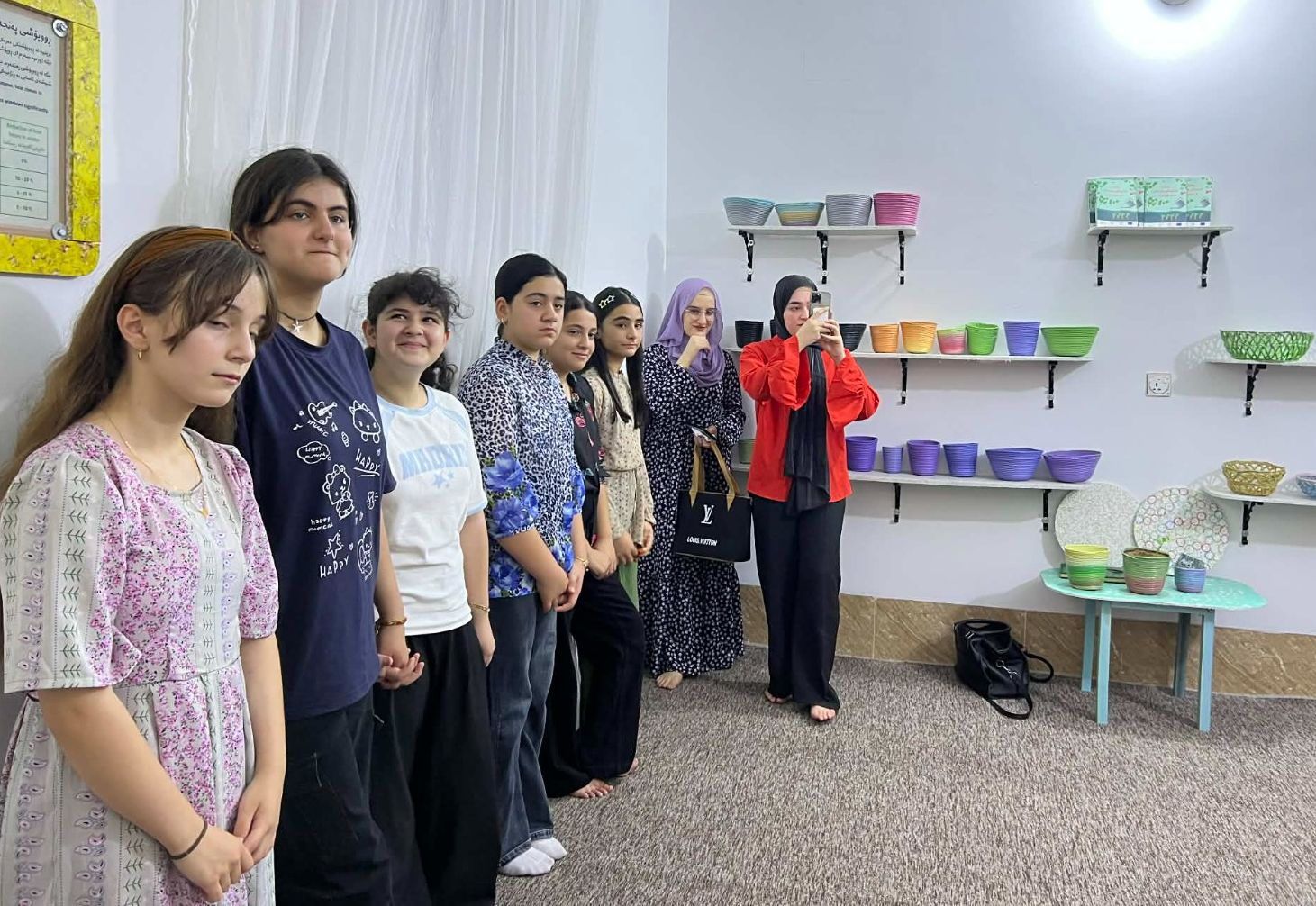
(Picture: Exhibition of products from Maly Awa, All pictures taken by ADWI)
In the scorching heat of southern Kurdistan lies the small town of Kifri, home to around 30,000–35,000 people. A diverse community of Kurds, Arabs and Turkmen, Kifri faces limited opportunities for education, employment and services, encouraging many young people to move to nearby Kalar in search of better opportunities.
In this context, restoring young people’s hope and trust in their ability to make a difference in their own town can seem like a difficult task. Mali AWA is showing that change can start small—with a simple idea, a few committed young people and a space where people can see what is possible.
Mali AWA, meaning “Prosperous House” in Kurdish, was established by WADI in 2022 and has since been managed by its local partner, ADWI. Located in an ordinary neighborhood, the center looks much like any other house from the outside. Inside, it has become a practical model for recycling, environmental awareness and sustainable living.
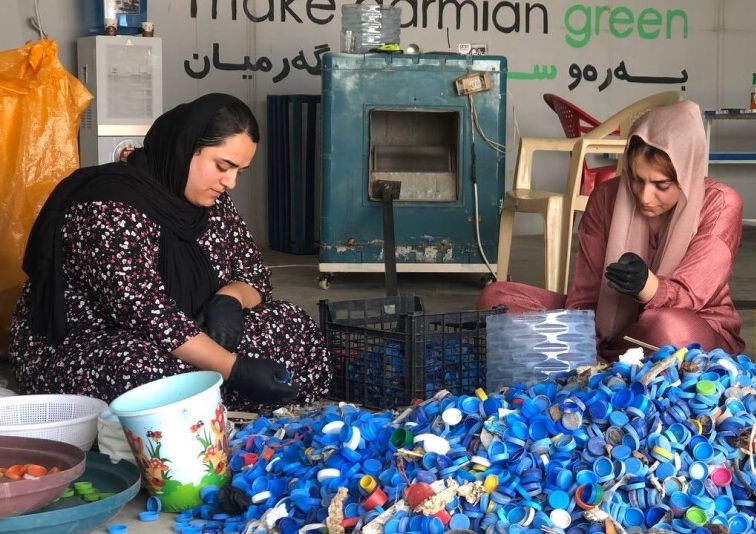
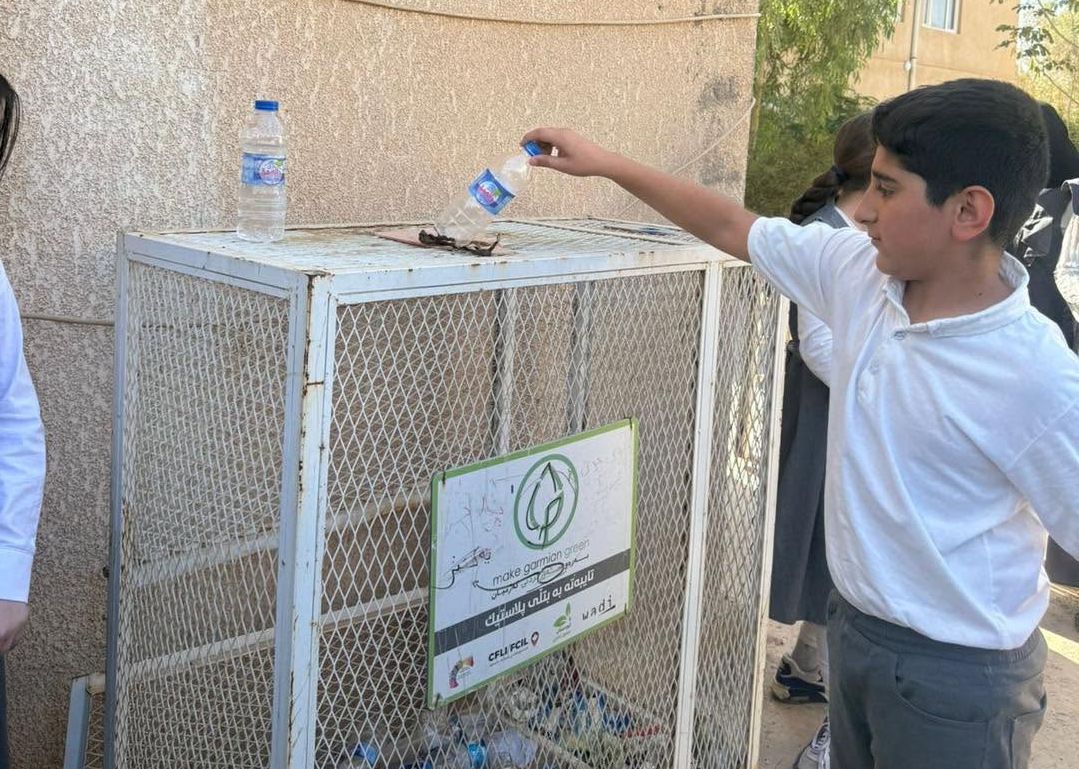
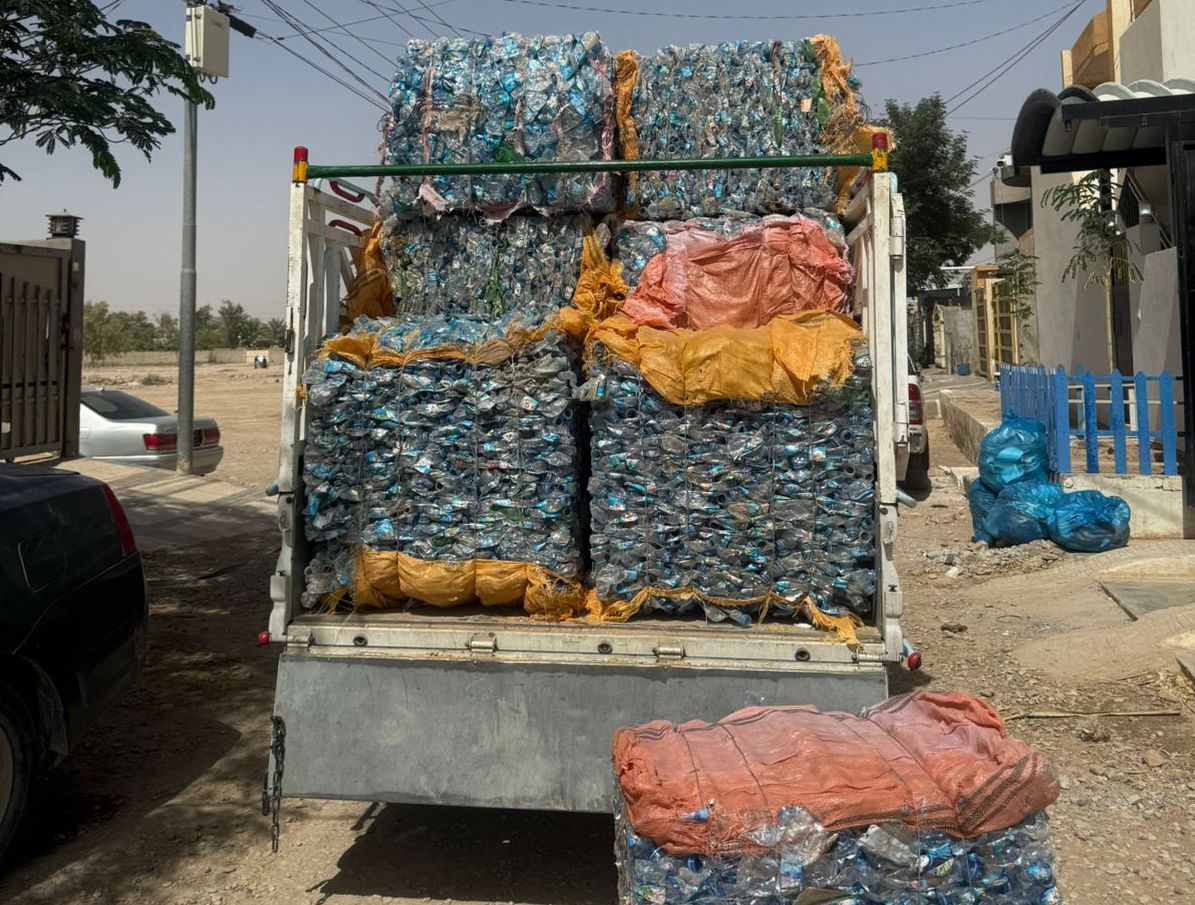
The center is run by three young people [two women and one man] who collect plastic waste and transform discarded bottles into new products. Visitors can see the entire recycling process, from collection, cleaning and sterilization to shredding, melting and shaping, while the team produces items such as baskets, plant pots and jewelry from recycled plastic. In this way, something that might otherwise become waste is given a second life.
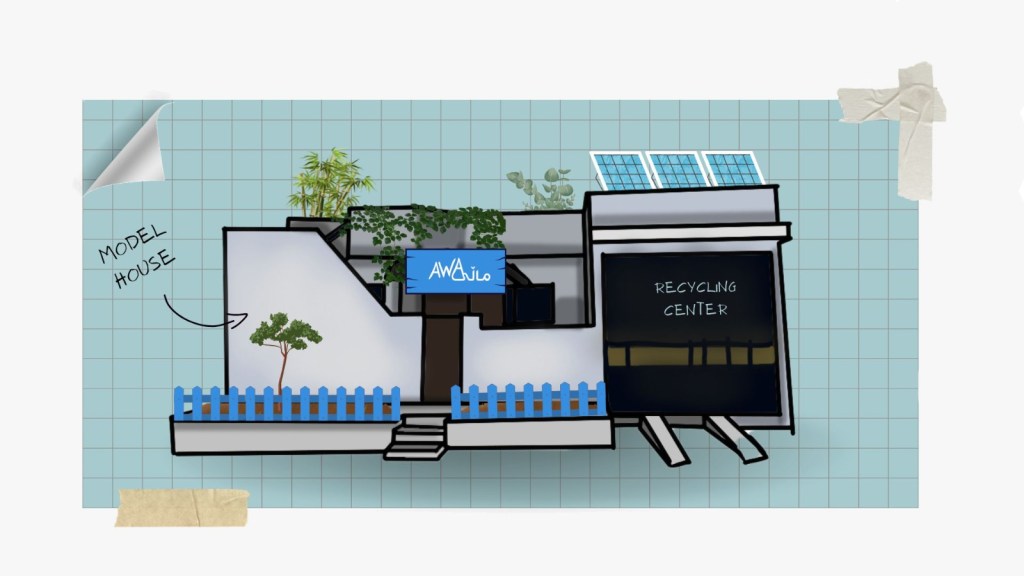
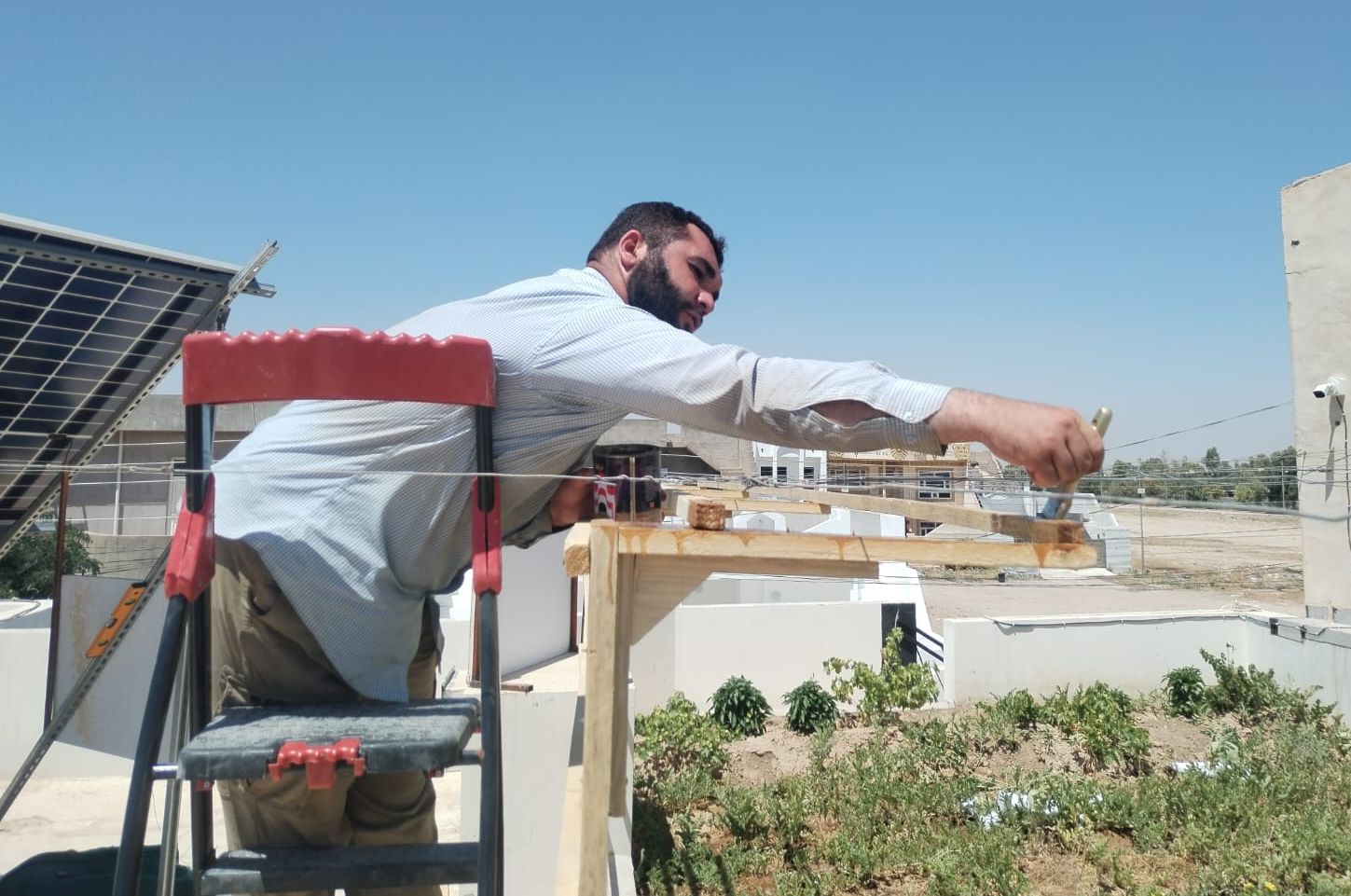
But Mali AWA is not only about recycling. It was designed as a model “show and tell” house, where practical environmental solutions can be seen and experienced rather than simply explained. The house uses different insulation methods to help manage Kifri’s intense summer heat, generates electricity through solar energy, and has a green roof with grass and plants that help absorb heat and keep the interior cooler.
The house also demonstrates practical ways of saving and reusing water. A greywater system is used to irrigate the garden, including spaces where the team grows organic vegetables and herbs. In a place where water can become scarce during the summer, the system offers a simple example of how water can be reused while supporting local food production.
(Video: Media Report about Maly Awa)
Mali AWA has attracted growing interest from residents and media. The team hosts awareness seminars, guided tours and community activities, giving people an opportunity to see the recycling process and learn about sustainable practices firsthand. They also take their work beyond the center by participating in local festivals and community events, where they showcase their products, engage with residents, collect feedback and spread awareness.
Through these activities, Mali AWA has become more than a recycling project. It is creating a space where environmental awareness, creativity and youth engagement come together. For the young people running the center, it provides an opportunity to develop skills, take ownership and contribute directly to their community. For others, it offers a place to visit, learn and see that positive changes are possible even on a small scale.
At its heart, Mali AWA is about people and possibility. It offers young people a different message: they do not have to leave their community to make a difference. They can create, lead and contribute right where they are.
The ambition is for Mali AWA to become the new “cool place” for the youth of Kifri; a welcoming space where young people can learn, meet others, experiment with ideas and contribute to their community and environment. What started as a small recycling center is planting the seeds of something much bigger: a stronger sense of hope, participation and possibility in Kifri.
Maly Awa has it’s own Facebook page, you can follow them here:
This project is supprted by the German Minsitry of Development Cooperation